U.S. citizens abroad
Buying or refinancing a U.S. home from overseas
Closing on a U.S. mortgage normally means signing a stack of documents in front of a notary. If you are abroad, the lender and the title company decide how that can be done, and a video session with a New Jersey notary may be one option.
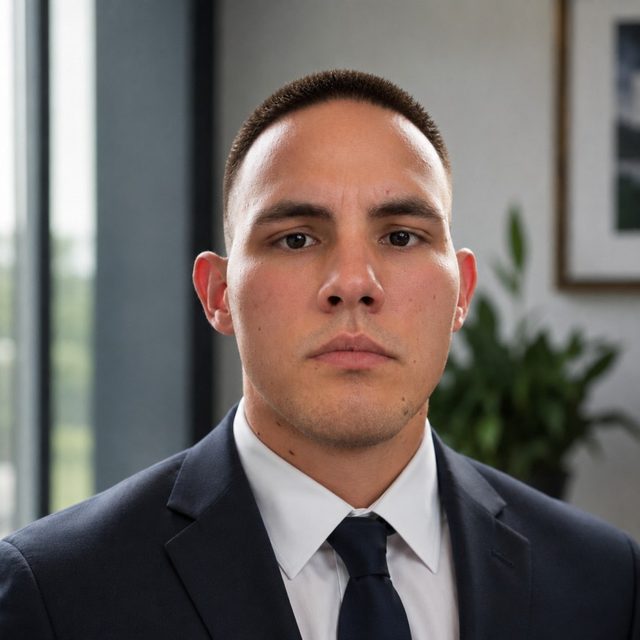
Matthew Coleman, NJ Notary Public and NNA Certified Loan Signing Agent. Cranford, NJ. Fee confirmed before your session. Card charged only after it is complete. We aim to confirm within 15 minutes, 7am to 9pm.
When this comes up
Expats, contractors and people on foreign assignments sometimes buy or refinance U.S. property while overseas. The closing date does not move, so planning the notarization early matters.
Ask the receiving party first
The most common reason a notarized document is rejected is that nobody checked what the other side would accept. Before you book, find out:
- Does your lender allow remote online notarization for a signer outside the country? Policies differ widely, and the lender controls this.
- Will they accept a power of attorney for the closing? Many lenders restrict or forbid it.
- Which documents must be notarized, and which only need a signature? The closing agent will sort them.
- Do they need original ink signatures mailed back? If so, a video session alone will not satisfy them.
- Is there a consulate or embassy option they prefer? The State Department says posts charge a fee for each consular seal and do not offer remote services.
How it works
- Ask the receiving party. Find out in writing whether it accepts a remote notarization and what kind of notarial act it needs.
- Send us the document. We check that it fits New Jersey's rules for a signer outside the United States. Tell us where you will be.
- Book a video session. Bring an unexpired government photo ID, a device with a camera and microphone, and a steady connection. Check the clock in both places.
- Sign on camera. We verify your identity, you sign when told to, and the notary completes the notarization.
- Send it on. You receive the notarized document to deliver or upload as the receiving party requires.
When a New Jersey notary can act
- The notary must be physically in New Jersey. You can be anywhere.
- The document must relate to a U.S. matter: it is filed with or before a U.S. court, public official or entity under U.S. jurisdiction, or it involves U.S. property or a transaction substantially connected with the United States.
- The act must not be prohibited where you are.
- The receiving party decides whether it accepts the result.
Mistakes that get paperwork rejected
- Assuming the lender will accept it. Always get the lender's written confirmation before you book.
- Printing at the wrong settings. If the closing agent sends a package to print, follow their instructions for page sizes and which pages to sign.
- Having the wrong ID. Use unexpired government photo ID that matches the loan documents.
- Booking at the last minute across time zones. Check the time in both places.
- Treating the notary as a loan advisor. Questions on terms go to your lender.
Questions
Will my lender accept a video notarization?
That is up to your lender and the closing agent. Ask them in writing before you book.
What if they say no?
Ask them what route they do accept, such as a U.S. embassy or consulate, or a mobile notary where you live.
Do you handle mortgage signings?
We notarize signatures for documents the law allows. We are not a loan signing agent for your lender unless that is arranged in advance, so ask us first.
MCC Solutions is not a law firm and a notary cannot give legal advice, choose the type of notarization for you, or tell you what a document means. Ask the office or person who will receive the document what it needs, and ask a lawyer about the content.