Online notarization by document
Power of attorney: notarized online, over video
When the person granting the power can't get to a notary, the signing can happen on a video call. The principal signs; the people who will rely on the document decide whether an electronic notarization works for them.
Starting at $40 per session, online, no travel · quote confirmed before you book · fees
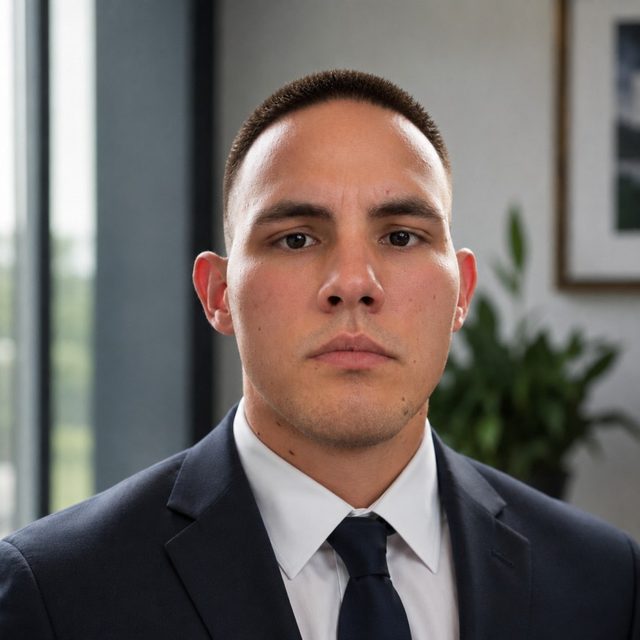
Matthew Coleman, NJ Notary Public and NNA Certified Loan Signing Agent. Cranford, NJ. Fee confirmed before your session. Card charged only after it is complete. We aim to confirm within 15 minutes, 7am to 9pm.
What this document is
A power of attorney is a document in which one person, the principal, gives another person, the agent (sometimes called the attorney-in-fact), authority to act for them. Some are broad. Some cover a single task, such as selling one car or signing at one closing. Some say they continue if the principal later can't manage their own affairs. Decisions about health care are usually handled in a separate document.
Which kind fits, who should be the agent and what the powers should say are questions for the attorney who prepares it. A notary's part is narrower: confirm who the principal is, watch the principal sign, and complete the notarial certificate.
Does online notarization usually work for it?
A video session usually works when the bank, brokerage, title company or agency that will act on the document accepts an electronically notarized power of attorney. Ask them before you book. These are the questions that matter for this document:
- Do you accept a power of attorney that was notarized electronically, or do you need a paper original with an ink signature?
- Do you require your own form? Some banks and brokerages ask the principal to sign their own power of attorney form as well.
- How many originals will you need to keep? An electronic notarization produces one electronic original.
- If it will be used to sell or mortgage real estate: does it need to be recorded with the county, and does the title company want to review it before the closing?
Pitfalls to avoid
The principal has to be the one on camera. An adult child cannot sign for a parent, even with permission. The principal answers the notary's questions directly. If the principal is physically unable to sign, New Jersey has a separate procedure for directing someone else to sign; tell the desk before you book, not during the session.
Capacity and willingness are part of the session. A New Jersey notary may refuse if not satisfied that the signer has the capacity to sign or is signing knowingly and voluntarily. Family can help set up the device, but expect the notary to speak with the principal alone for part of the call.
Names that don't match. The principal's name on the document should match the photo ID. A missing middle name or a former surname can stop the session. Raise it before the appointment, not on camera.
Agent sections. Some forms have a separate signature block for the agent, with its own notary certificate. If yours does, the agent needs ID and a session too, either joining the same call or in a separate one.
Several originals. If more than one institution wants to keep an inked original, an electronic notarization may not suit. Remote ink-signed notarization keeps paper; see the RIN pages.
Readiness checklist
- A valid, unexpired government-issued photo ID for each signer. We ask for a current ID for online sessions; if yours has expired, call the desk before you book.
- A computer, tablet or phone with a working camera and microphone.
- A stable internet connection, somewhere quiet enough to hear and be heard.
- The complete document as a PDF, with every page and no blanks, not yet signed.
- A yes from the receiving party that it accepts an electronic notarization.
- Your location: anywhere in the United States is fine. Outside the U.S., the document has to meet New Jersey's conditions (see below).
- Names of the principal and agent exactly as they appear on the document.
- The receiving institution's form, if it has its own.
Signing from outside the U.S.? New Jersey requires that the record be filed with or relate to a matter before a public official, court, governmental entity or other entity subject to U.S. jurisdiction, or involve property in the U.S. or a transaction substantially connected with the U.S.; and that signing it is not prohibited by the country you are in. See signing from outside the U.S.
How the session works
- Book and upload. Choose a time and upload the unsigned power of attorney, plus any institution form that goes with it.
- Identity steps. The principal completes the online ID check and identity questions before the call.
- The conversation. The notary confirms the principal knows what document this is and is signing willingly. The notary does not explain the powers.
- Signing and certificate. The principal signs on screen; the notary completes an acknowledgment that states it was done using communication technology and applies the electronic seal.
- Delivery. You download the notarized file and send it to the institution, or to the title company for recording.
Your notary is a commissioned New Jersey notary working from New Jersey. The video session is recorded and the recording is kept for at least 10 years, as New Jersey requires.
What it costs
Remote online notarization starts at $40 per session, online, no travel. Your price depends on the number of signers and documents, and the desk confirms it before anything is booked. State notarial fees are listed on the fees page.
Related pages
- Durable power of attorney: signing steps
- Limited power of attorney for one task
- Power of attorney at a real estate closing
- Power of attorney from abroad
- RIN vs RON
- Remote online notarization
More online notarization by document and signer
- Affidavits and sworn statements
- Real estate documents
- Vehicle title and DMV forms
- Medical and school consent forms
- Business and corporate documents
- Seniors and their families
Official sources
- N.J.S.A. 52:7-10.10 (remote notarial acts), enacted by P.L.2021, c.179, section 19. New Jersey Legislature (checked November 6, 2026)
- N.J.S.A. 52:7-10.17 (refusal to perform a notarial act), P.L.2021, c.179, section 26. New Jersey Legislature (checked November 6, 2026)
- N.J.S.A. 52:7-10.11 (signature when an individual is physically unable to sign), P.L.2021, c.179, section 20. New Jersey Legislature (checked November 6, 2026)
- N.J.S.A. 52:7-10.8 (identification of the individual), P.L.2021, c.179, section 17. New Jersey Legislature (checked November 6, 2026)
- N.J.S.A. 52:7-10.15 (electronic records; recording a tangible copy), P.L.2021, c.179, section 24. New Jersey Legislature (checked November 6, 2026)
- N.J.A.C. 17:50-1.13 and 17:50-1.14 (identity documents, remote notarial acts), as published on nj.gov (PRN 2021-103, 53 N.J.R. 1809(a)). NJ Department of the Treasury (checked November 6, 2026)
General information, not legal advice. We notarize; we don't draft or explain documents. Questions about what a document says or which one you need are for your attorney. The office that receives the document decides what it accepts. Updated November 6, 2026.
FAQ
Power of attorney: common questions
Can the principal sign from another state?
Yes. The signer can be anywhere in the United States. The notary must be physically in New Jersey, and the act is treated as performed in New Jersey under New Jersey law.
Will my bank accept a power of attorney notarized online?
Each bank decides for itself. Ask the bank, ideally the department that will act on it, before you book the session.
Can the agent sign the power of attorney for the principal?
No. The principal signs. If the principal is physically unable to sign, New Jersey law has a specific procedure; tell the desk before booking so it can be planned.
Can you tell me which power of attorney form to use?
No. We notarize; we don't draft or explain documents. Which form to use and what it should say is for your attorney.
Can a healthcare directive be signed in the same session?
It can be, if the receiving party accepts an electronic notarization. Some health care documents also need witnesses, so ask whoever prepared it what the signing requires and tell the desk when you book.